
Why You Don't Need To Be a 'Self-Help' Person To Face Your Fears
I.K. Randhawa
Facing Fear, Finding You
The Fear Series
About You
You don't need to be a "self-help person" to face your fears, because fear is universal: it affects everyone, not just personal development enthusiasts. Facing Fear, Finding You (December 2025, 236 pages) was specifically written for people who've never read self-help books, using accessible stories, metaphors (rats, and black cats), and simple language anyone can understand. Personal growth isn't yoga pants and green juice; it's everyday decisions you already make. This post addresses hesitation about "not being that type of person" and shows how the book welcomes everyone through the Internal Explorer approach.

TL;DR – What You’ll Learn in This Post
You don’t need to be a “self-help person” to face your fears. Fear is universal, and so is growth.
Hesitation about personal development is common and comes from cultural conditioning, identity beliefs, and fear of failure.
Personal growth isn’t about yoga pants, green juices, or waking up at 4 a.m. It’s about everyday decisions you’re already making.
Facing Fear, Finding You was written for everyone, especially those who don’t usually read self-help books, using stories, metaphors, and simple language.
If you’ve ever felt trapped by internal fear like the fear of change and inadequacy, then you know how exhausting it is to always be afraid. Unconscious permanent internal fears are activated in every aspect of our lives:
You want to speak up at work, but your throat tightens.
You want to say yes to love, but you stop yourself and sabotage it.
You want to finally take that next step in life, but you freeze, afraid it won’t be what you dream it to be.
That’s what fear does. It sabotages you, your happiness, confidence, and your choices. And that’s exactly what I help people with in my book, Facing Fear, Finding You.
But there’s a hesitation I hear a lot, and you may have felt it to:
“But I’ve never done any self-help before.”
If that thought has ever crossed your mind, you are not alone. So many people feel this doubt. And today, I want to walk with you through this concern, because it might be the very first fear standing in your way of facing them all.
Why This Objection Exists
Feeling hesitant about “not being a self-help person” makes sense. Allow me to explain why:
Cultural conditioning: Personal development has been marketed as a lifestyle brand. You’ve seen the polished people in yoga pants, sipping green juices, journaling at 4 am. It’s presented as if it’s the only way you can do personal development.
Identity beliefs: If you’ve never read a book like this before, it’s easy to think, “That’s just not me. I’m not that type of person.” Our brains love to categorise, and when something feels unfamiliar, we label it “not for me” before we’ve even tried it because that’s what feels safe to us.
Fear of failure: Sometimes the hesitation is less about the book itself and more about what it represents. “What if I don’t get it? What if it doesn’t work for me?” These worries are simply another way fear tries to protect you by stopping you from trying.
It’s important to acknowledge these feelings instead of dismissing them. They come from real experiences. But they’re not the whole truth.
Point 1: Social Myth-Busting
Let’s start with the biggest myth:
Personal development is only for a certain “type” of person.
This myth is powerful because it’s been created on purpose. Companies market self-help and coaching as something exclusive. Something that comes with the right clothes. The right lifestyle. Exclusivity sells status.
But growth is a core human need available to everyone equally.
Think about it logically: Have you ever reflected on a mistake and promised yourself you’d do better next time? That’s personal development.
Have you ever tried a new approach in a relationship after realising the old way wasn’t working? That’s also personal development.
You’ve been doing it, i.e. helping yourself, all along. And my book isn’t asking you to become someone different to read it. Rather, it’s inviting you to continue something you’re already doing, with me as your guide supporting you.
So when you see polished ads or intimidating stereotypes, remember that that’s branding, not truth.
Point 2: Lifelong Learning
Another myth is that reading a book like mine requires a special skill set. When the truth is that really you’re learning all the time.
You’ve learned how to cook something new.
You’ve learned how to use an app.
You’ve learned how to comfort a friend, fix a problem, or take care of yourself after a hard day.
That’s learning. That’s growth. And Facing Fear, Finding You isn’t asking you to do anything different. It’s simply offering you stories, metaphors, and tools that make the invisible world of fear visible to you.
You don’t need to be a “professional” at growth. Wanting less stress, more ease, better relationships, or greater confidence doesn’t make you part of a special club. It makes you human.
And because you’re human, this book belongs to you.
Point 3: Reframing Who This Book Is For
“Too many people are suffering from the permanent pain of harmful internal fear, and it’s not pleasant realising we are living in a fearful world. I would like to change this because I used to always be afraid too.” - Facing Fear, Finding You
A lot of people assume personal development books are for a certain type of person, with a certain type of experience. They also believe that if they walk away from reading the book with a different lesson or interpretation than another, then they’ve done it “wrong”.
That’s not true.
Facing Fear, Finding You is not for a prescribed person to be read in a prescribed way. It’s about exploring what’s possible when you look inside with curiosity. It’s about discovering new ways to live with less fear, and more ease.
Two people can read the same chapter of my book and walk away with completely different insights. One person might finally understand why fear shuts them down in relationships. Another might see how fear shows up at work. The book adapts itself to whoever is reading it. Because you, and your journey, are unique. And me and my book want to support you through all of it.
How Facing Fear, Finding You Was Designed With You in Mind
This is the part I’m most excited to share, because I didn’t just write a book for “book people” or “self-help people.” I wrote this book for you. Every decision I made while creating this was guided by one intention:
I want to write a book that welcomes anyone from anywhere with any life experience. Because internal fear affects everyone.
Allow me to show you how I did this:
1. It’s Not a Traditional Self-Help Book. It’s a Companion For Your Inner Exploration.
So many self-help books read like instruction manuals or scientific essays: studies cited, technical language, long lists of “shoulds.” That doesn't resonate with me, and I knew it wouldn’t resonate with a lot of people who don’t enjoy that style also.
Instead, I wrote Facing Fear, Finding You to reflect the way I live: Through personal exploration. Every insight in the book comes from me being an Internal Explorer, asking hard questions, and noticing what fear was teaching me.
Think of it less like sitting in a classroom and being lectured, and more like sitting down with someone who’s been on a long adventure, came back with a map of their findings and is guiding you through what they found.
When you read it, you don’t have to “be a self-help person.” You get to be an Internal Explorer with me.
2. It Speaks in Soulful Metaphors and Stories, Not Lectures.
If you’ve ever struggled to put your feelings into words, you’ll appreciate this book because I don’t describe emotions in a dry way. I translate them into images, stories, and metaphors that help you see what fear looks like and feel what it’s like to move through it.
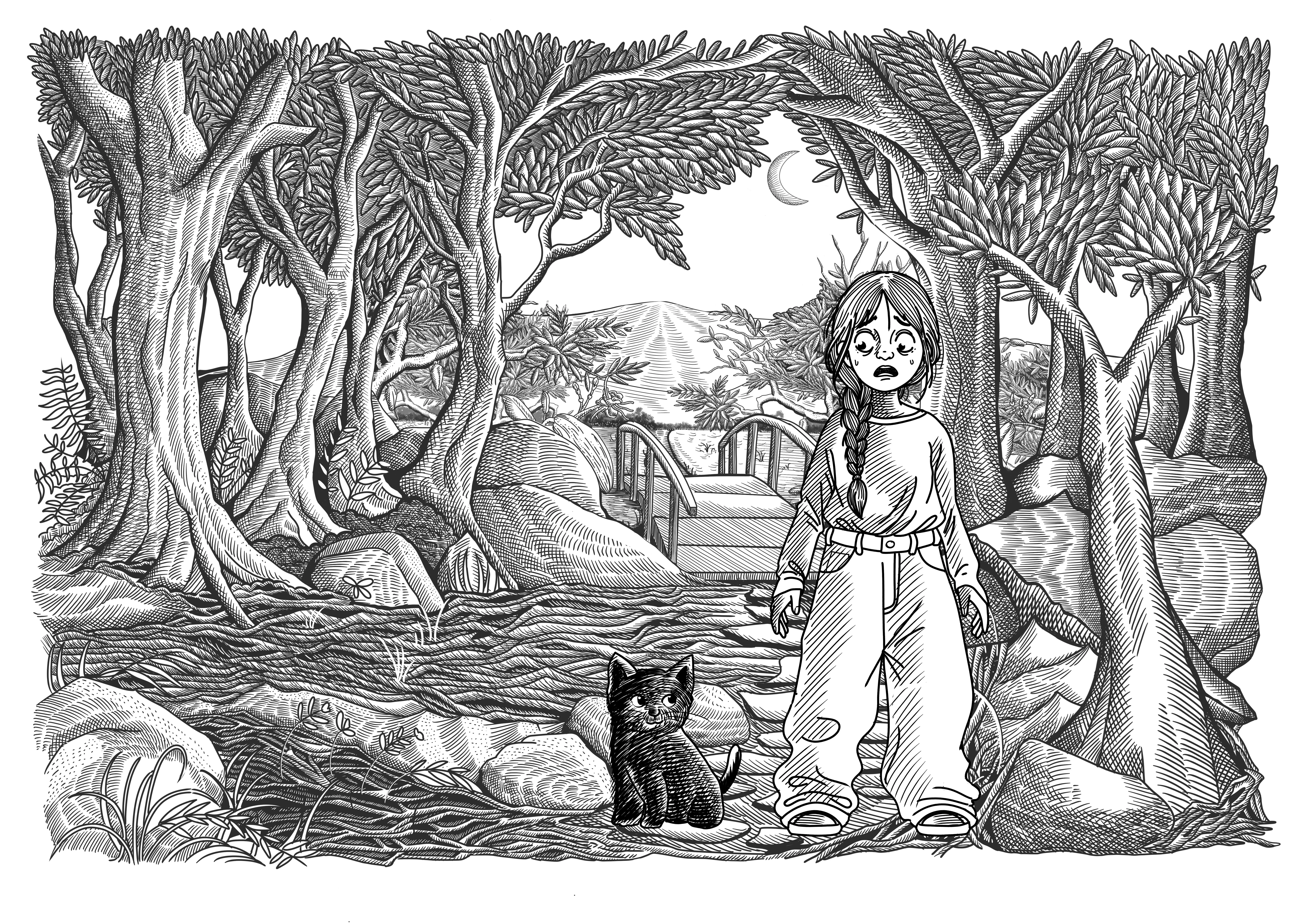
For example, instead of saying “fear is overwhelming,” in the book, I reference a very specific form of fear to be like a “rat”. The reason for this is because fear feels like these annoying little rodents gnawing away at my peace and sanity in every moment. That image stays with you, and the next time fear hits, you’ll remember it.
This way, the book isn’t about memorising strategies or doing homework. It’s an emotional journey, written to help you connect with your experiences and inner world.
3. It’s Accessible to Everyone, Because Freedom Belongs to Everyone.
One of my biggest intentions was to make sure anyone could pick up this book and feel at home. Whether you’ve read zero books or a hundred, you’ll find something for you here. I wrote it in a way that’s simple, clear, and inviting.
You don’t need to spend years in personal growth to start exploring. You don’t need to look a certain way or live a certain lifestyle. Fear is universal. And because fear touches all of us, this book was written for all of us.
4. It’s Okay If You Usually Only Read Certain Types of Books.
Maybe you’re someone who only reads fiction, or you stick to history, or you like biographies. That’s okay. You don’t have to suddenly become a person who reads every self-help book in the world.
But if something inside of you is curious about facing your fears, please don’t let a limited identity stop you. You don’t have to wear the label of “self-help reader” to open this book. You just have to follow your interests.
If you feel drawn to this book, even just a little, that’s enough. Let yourself follow that curiosity.
How This Book Is Designed for Non-Self-Help Readers
Reading accessibility:
Reading level: Accessible to anyone (no jargon or academic language)
Length: 236 pages (approximately 4-6 hour read)
Structure: Stories and metaphors, not lectures or textbook format
Examples: Real-life scenarios you can relate to, not abstract concepts
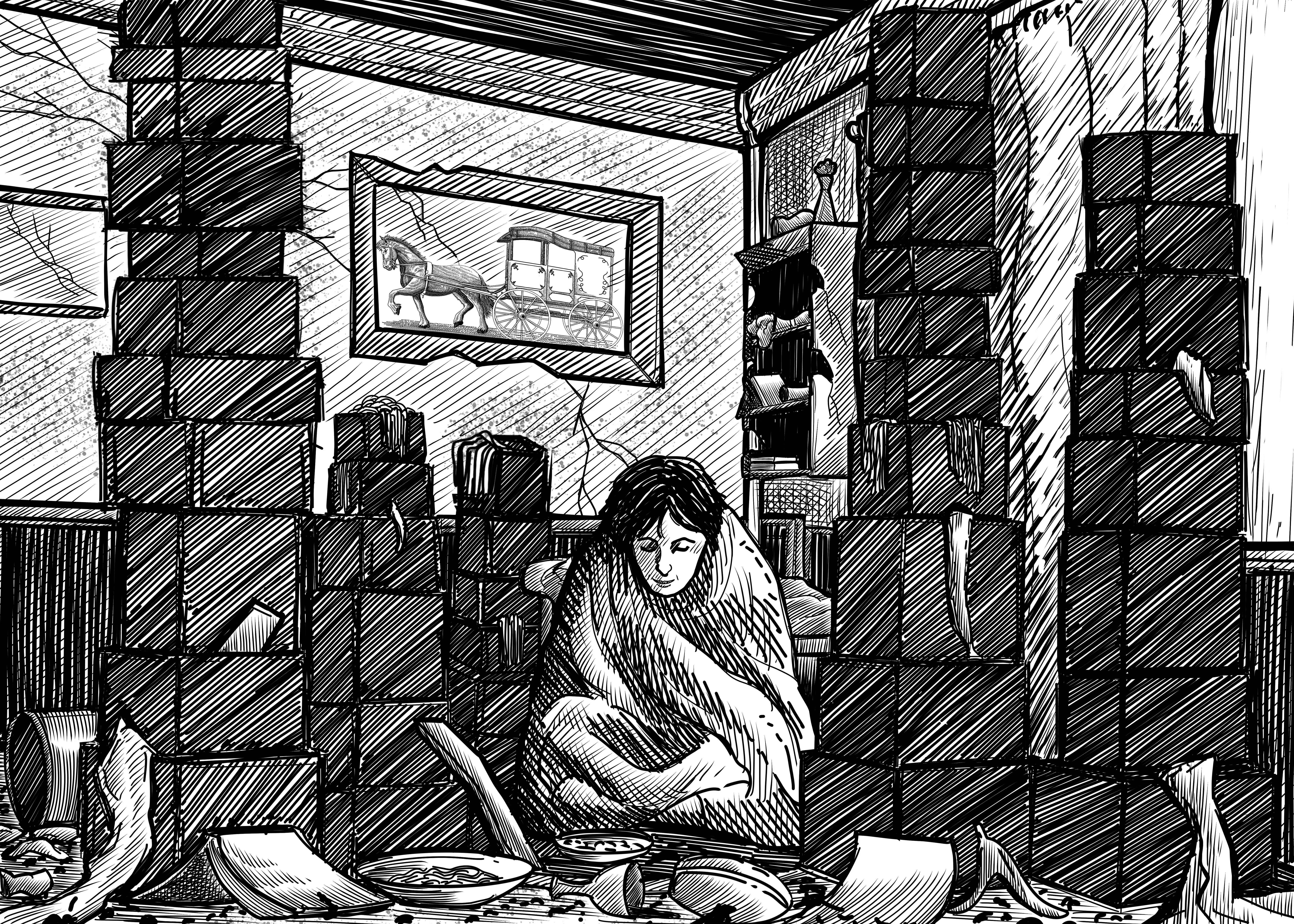
Visual aids: 6 custom engraving-style illustrations bringing metaphors to life
Tone: Conversational companion, not authoritative expert
Format flexibility:
eBook: £12.99 (PDF and EPUB, read on any device)
Paperback: £17.99/$22.99 (physical book, comfortable hold)
Hardcover: £21.99/$27.99 (premium feel, keepsake quality)
Chapter preview: Free Chapter One (test before buying)
No prerequisites needed:
Zero prior self-help reading required
No meditation practice necessary
No journaling experience needed
No "positive mindset" required
Just willingness to be curious about your inner world
What Becomes Possible When You Let Go of This Hesitation
When you let go of the idea that you’re “not a self-help person,” you free yourself to step into something new.
Imagine:
You’re halfway through a chapter, and suddenly a metaphor makes something click. You realise, “Oh… that’s why I shut down in conversations with my partner.” That one insight changes how you approach love.
You’re having a stressful day, and you remember one of the illustrations from the book. You pause, breathe, and instead of spiralling, you steady yourself. That’s a huge win.
You finish a section and feel, maybe for the first time, that you’re not alone in your fears. You feel seen, understood, and supported.
Your Next Step
So here’s my invitation: take your first step.
Buy Facing Fear, Finding You. Or, read the first chapter. Let yourself explore without pressure. You don’t have to finish it in one sitting, and you don’t have to “do it the right way.” Just see what happens when you let the words and illustrations connect with you.
The first act of facing fear is simply showing up. And you’ve already started that by reading this blog post.

I.K. Randhawa (pronounced I.K. Ran-dha-wa) is on a mission to guide those suffering from internal chaos and emotional overwhelm through deep internal exploration, so they can find peace, purpose, and personal freedom. The British Punjabi Sikh author and Internal Explorer is committed to exploring humanity’s greatest internal challenges with an intuitive, soul-driven approach. From fear to trust, grief, integrity and much more, each book serves as a demonstration of inner exploration to empower her readers to become Internal Explorers themselves.
Featured Posts
The Easiest Ways to Stop Feeling Powerless Against Your Fear of Disappointing the People You Love, Starting Today
22 March 2026 | By I.K. Randhawa

TL;DR:
Living for other people's expectations keeps you stuck in fear and resentment
The real struggle comes from feeling powerless in the face of disappointing others
You can break free by shifting your beliefs and reclaiming your power
Three strategies to help: reframing through dreams, creating empowering visualisations, using EMDR to shift beliefs
Will My Book Actually Help You Face Your Internal Fears?
22 March 2026 | By I.K. Randhawa
TL;DR:
Wondering if Facing Fear, Finding You will really help you face your internal fears is common
It will help you face your fears—but it can do much more
You can read this book in three ways: as a step-by-step guide, as an invitation to become an Internal Explorer, or as a tool to develop emotional articulation
Whichever path you take, you'll gain more awareness, clarity, and confidence.
Why Fighting Your Fears Isn’t Working and What to Do Instead
23 March 2026 | By I.K. Randhawa
TL;DR:
Fighting fear before facing it is exhausting and ineffective
Facing fear means slowing down to understand it: what it really is, why it's there, how it shows up
Once you face it, you gain clarity to break big fears into small ones and create a real path forward
Fighting has its place, but only after you've done the crucial step of facing first
Join the internal adventure today.

Subscribe to receive a short welcome sequence of emails, launch announcements, and a monthly status update from the author.
FAQ'S
Answers
Find answers to common questions about the author, her books, the Internal Explorer Protocol, and her approach.

Q: Do I need to have read other self-help books before this one?
A: Nope. Facing Fear, Finding You was written for everyone, even those who may never have picked up a personal development book, or any book, before. It’s designed to feel welcoming, simple, and relatable. No prior experience required.
Q: What if I’m not usually a “reader”?
Q: How will I know if this book is right for me?
Q: What if I start the book and it feels uncomfortable?